Enterprise training is one of the largest line items in any organization's budget, and one of the hardest to optimize. Traditional training methods — instructor-led sessions, classroom time, and on-the-job shadowing — are expensive, time-consuming, and often fail to deliver lasting results.
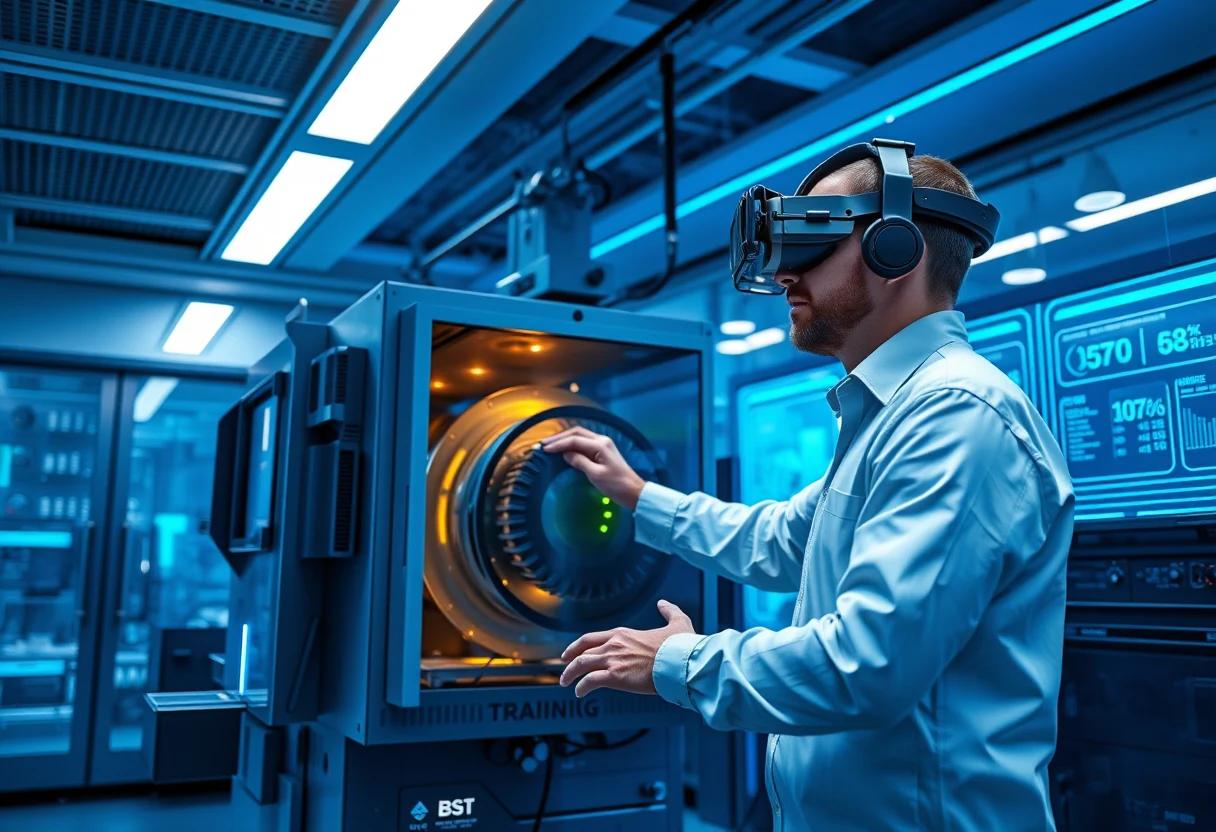
VR training addresses these challenges head-on. By creating realistic, repeatable training scenarios in virtual environments, organizations can reduce training time by up to 40% while improving knowledge retention by 75%. These are not theoretical projections — they are documented outcomes from organizations that have made the switch.
The financial case is compelling. A typical enterprise with 500 employees spending $50 per hour on training can expect annual savings exceeding $400,000 by transitioning to VR-based programs. The savings come from multiple sources: reduced instructor time, eliminated travel costs, lower facility expenses, and fewer materials needed.
Beyond direct cost savings, VR training delivers measurable improvements in safety outcomes, compliance rates, and employee confidence. In high-risk industries like manufacturing, healthcare, and energy, these improvements translate directly to reduced incidents and liability exposure.
For enterprise leaders evaluating VR training, the key is to start with high-impact use cases — safety training, complex procedures, and scenarios that are dangerous or expensive to replicate in the real world. These deliver the fastest ROI and build organizational confidence for broader adoption.